Matcha powder has taken the wellness world by storm — from latte lovers to fitness fanatics to culinary creatives. But what makes this vibrant green tea powder so beloved? In this article, we’ll explore what matcha is, why people love it, the health benefits, how to choose the best matcha, and how to use it in recipes.
🧠 What Is Matcha Powder?
Matcha is a finely ground powder made from specially grown and processed green tea leaves (Camellia sinensis). Unlike regular green tea, matcha is made by grinding whole tea leaves into powder — meaning you consume the whole leaf, not just a brewed infusion.
- Keywords: ceremonial grade matcha, culinary matcha, organic matcha powder
- LSI terms: antioxidant tea, green tea extract, energy boosting drink
Matcha originates from traditional Japanese tea ceremonies but today it’s a global phenomenon — found in cafes, smoothie bowls, desserts, and health supplements.
🌱 Why People Love Matcha
Matcha powder is more than a trend — it’s a lifestyle choice. Here’s why it’s so popular:
1. Rich in Antioxidants
Matcha contains EGCG (epigallocatechin gallate), a powerful antioxidant linked to reduced inflammation and cellular protection.
2. Steady Energy Without Jitters
Thanks to a unique combination of L‑theanine and caffeine, matcha provides calm, focused energy — perfect for work, study, or exercise.
3. Supports Metabolism & Weight Goals
Studies suggest matcha may help improve metabolism and fat oxidation when combined with a healthy diet and exercise.love matcha powder
4. Versatile Ingredient
Matcha isn’t just for tea — it’s also used in:love matcha powder
- Matcha lattes
- Smoothies
- Baked goods (like matcha brownies)
- Ice cream and desserts
🥇 How to Choose the Best Matcha Powder
Selecting the right matcha can make all the difference. Here’s what to look for:
| Type | Best For | Taste |
|---|---|---|
| Ceremonial Grade Matcha | Traditional tea, whisked drinks | Smooth, vibrant, slightly sweet |
| Culinary Grade Matcha | Baking, smoothies, lattes | Stronger, slightly bitter |
Pro tips for purchase:
- Choose bright green powder — dull colors mean lower quality.
- Look for stone‑ground matcha — gentler processing preserves nutrients.
- Consider organic matcha powder to avoid pesticides.
👉 External resource: For in‑depth grading standards, visit the International Matcha Association.
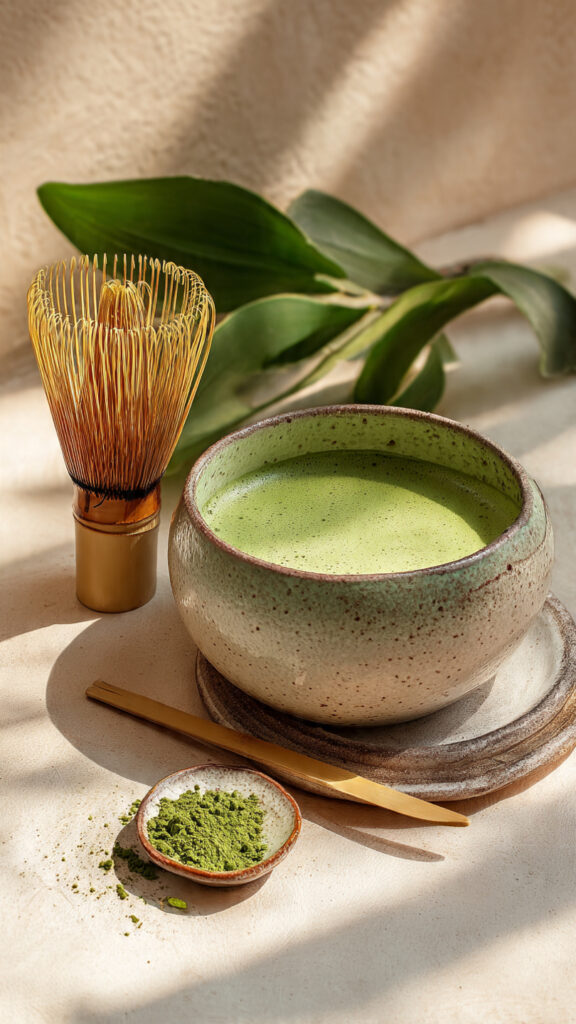
🍵 How to Prepare Matcha Step‑by‑Step
Here’s a simple way to prepare traditional matcha:
- Warm your bowl (chawan) with hot water and discard.
- Add 1–2 tsp matcha powder to the bowl.
- Pour hot water (not boiling at ~80°C / 176°F).
- Whisk in a “W” motion until frothy.
🧁 Matcha Uses & Recipe Ideas
Matcha isn’t just a drink — it’s a superfood ingredient you can enjoy in many ways:
🥤 Matcha Latte
Blend matcha with steamed milk (dairy or plant‑based) + sweetener.
🍦 Matcha Ice Cream
Add matcha to your ice cream base for green tea flavor.
🥣 Matcha Smoothie Bowl
Combine: banana, spinach, almond milk + matcha powder.
✨ Internal resource: Check out our guide on “Matcha Latte Variations” to mix up your daily cup.
❓ Matcha Powder FAQs (Frequently Asked Questions)
1. Is matcha healthier than green tea?
Yes — since you consume the whole leaf in powder form, matcha delivers more antioxidants per serving than steeped green tea.
2. How much matcha should I drink a day?
Most experts recommend 1–2 cups a day to enjoy benefits without excess caffeine.
3. Can matcha help with weight loss?
Matcha may support metabolism, but weight loss results are best with a balanced diet + exercise.
4. Is matcha safe for kids?
In small amounts, yes — but skip high caffeine doses for children.